The most significant surprise the film industry has encountered in 2025? The resurgence of horror as a main player at the UK film market.
As a category, it has impressively outperformed past times with a 22% rise compared to last year for the UK and Irish box office: over £83 million this year, compared with £68,612,395 in 2024.
“Previously, zero horror films made £10 million in the UK or Ireland. Currently, five have surpassed that mark,” says a box office editor.
The top performers of the year – a recent horror title (£11.4m), Sinners (£16.2 million), the latest Conjuring installment (£14.98 million) and the sequel to a classic (£15.54 million) – have all remained in the cinemas and in the audience's minds.
While much of the expert analysis focuses on the standout quality of certain directors, their triumphs indicate something evolving between audiences and the category.
“Viewers often remark, ‘This is a must-see regardless of your genre preferences,’” says a head of acquisition.
“Films like these play with genre and structure to create something completely different, and that speaks to an audience in a different way.”
But outside of creative value, the consistent popularity of spooky films this year suggests they are giving audiences something that’s greatly desired: catharsis.
“Currently, cinema mirrors the widespread anger, fear, and societal splits,” observes a horror podcast host.
“Scary movies excel at tapping into viewers' fears, amplifying them, allowing you to set aside daily worries and concentrate on the on-screen terror,” says a respected writer of classic monster stories.
In the context of a global headlines featuring geopolitical strife, enforcement actions, extremist rises, and ecological disasters, ghosts, monsters, and mythical entities strike a unique chord with audiences.
“It’s been noted that vampire cinema thrives during periods of economic hardship,” says an star from a successful fright film.
“The concept reflects how economic systems can drain vitality from individuals.”
From film's inception, societal turmoil has shaped horror.
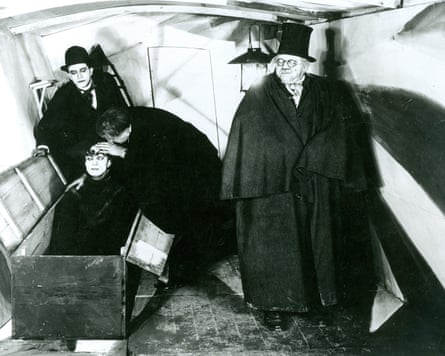
Analysts highlight the surge of early cinematic styles after the first world war and the turbulent times of the post-war Germany, with features such as early expressionist works and Nosferatu: A Symphony of Horror.
This was followed by the Great Depression era and iconic horror characters.
“The classic example is Dracula: you get this invasion of Britain by someone from eastern Europe who then causes this infection that gets spread in all sorts of ways and threatens the Anglo-Saxon heroes,” says a historian.
“Therefore, it embodies concerns related to foreign influx.”
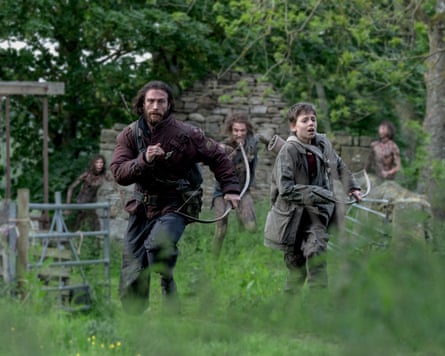
The specter of border issues shaped the newly launched rural fright a recent film title.
Its writer-director elaborates: “I wanted to explore ideas around the rise of populism. Firstly, slogans like ‘Let’s Make Britain Great Again’, that harken back to some fantasy time when things were ‘better’, but only if you were a rich white man.”
“Secondly, the idea that you could be with someone you know and then suddenly they blurt out something round the dinner table or in a Facebook post and you’re like, ‘Where did that come from?’”
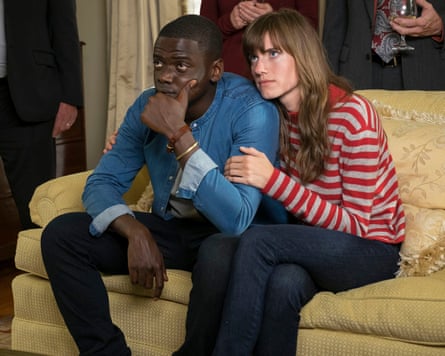
Maybe, the modern period of celebrated, politically engaged fright cinema started with a brilliant satire released a year after a contentious political era.
It sparked a new wave of visionary directors, including several notable names.
“That period was incredibly stimulating,” says a creator whose film about a murderous foetus was one of the era’s tentpole movies.
“In my view, it marked the start of a phase where filmmakers embraced wildly creative horror with artistic ambitions.”
The director, currently developing another scary story, continues: “Over 10 years, audiences’ minds have been opening up to much more of that.”
Concurrently, there has been a revival of the underrated horror works.
In recent months, a independent theater opened in a major city, showing cult classics such as The Greasy Strangler, a classic adaptation and the 1989 remake of Dr Caligari.
The fresh acclaim of this “raw and chaotic” genre is, according to the cinema founder, a clear response to the calculated releases pumped out at the cinemas.
“It’s a reaction to the sanitised product that’s coming out of Hollywood. You have a film scene that’s more tepid and more predictable. A lot of the mainstream films are very similar,” he says.
“Conversely, [such movies] appear raw. As if they emerged straight from the artist's mind, untouched by studio control.”
Fright flicks continue to challenge the norm.
“Horror possesses a dual nature, feeling both classic and current simultaneously,” observes an expert.
In addition to the return of the deranged genius archetype – with multiple versions of a well-known story on the horizon – he anticipates we will see horror films in the coming years addressing our present fears: about AI’s dominance in the near future and “monstrous metaphors in power structures”.
At the same time, a religious-themed scare film a forthcoming title – which tells the story of Mary and Joseph’s struggles after the messiah's arrival, and includes famous performers as the divine couple – is planned for launch later this year, and will definitely create waves through the Christian right in the US.</


